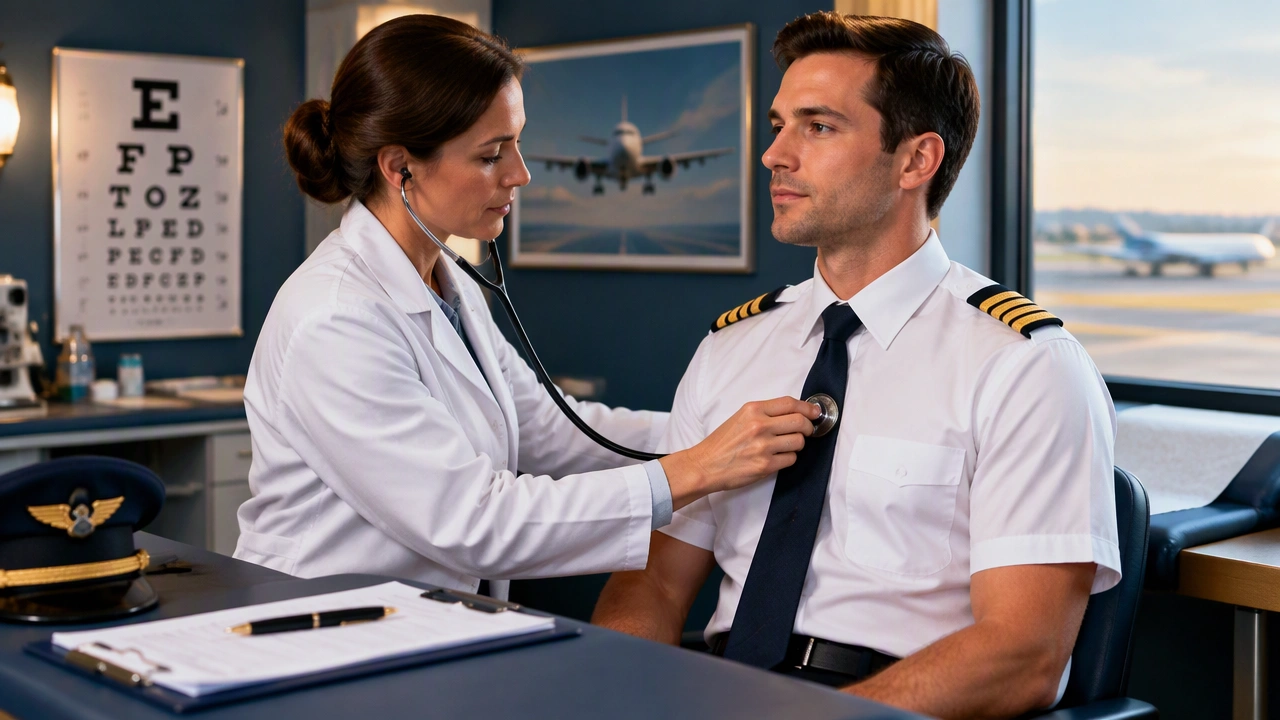
Understanding Your Pilot Medical Certificate: Requirements, Fitness Standards, and How to Stay Current

Starting pilot training is exciting, but many students underestimate how important medical fitness is from day one. Your pilot medical certificate is a legal and practical foundation for every flight you will ever make. Without a valid medical, you cannot act as pilot in command, no matter how skilled you become in the cockpit. Understanding the process early saves time, money, and stress later.
The requirements for a pilot medical certificate are not meant to discourage people from flying. They exist to protect you, your passengers, and the public. Aviation medicine focuses on conditions that could suddenly impair judgment, vision, hearing, or consciousness. The good news is that most healthy people qualify without difficulty, and conditions that once ended careers can often be managed today with proper oversight.
Why a Medical Certificate Matters
A pilot medical certificate proves that an aviation medical examiner has assessed your health and found it compatible with safe flying. In the United States, the Federal Aviation Administration requires at least a third-class medical for student pilots exercising solo privileges. For private pilots, third class remains the minimum. Commercial pilots need a second-class medical, and airline transport pilots need a first-class medical.
Each class has stricter standards than the one below it. The differences usually involve vision thresholds, hearing requirements, cardiovascular screening, and neurological evaluation depth. A student working toward a private pilot certificate can start with a third-class medical and upgrade later as career goals develop.
The Three Classes of Medical Certificates
Understanding the three classes helps you plan ahead. A first-class medical is the most demanding and is required for airline operations. It includes detailed cardiac evaluation, strict vision standards, and thorough neurological assessment. A second-class medical is slightly less restrictive and serves commercial pilots who are not operating under airline rules. A third-class medical is the entry point for most private pilots and student pilots.
The class you need depends on what you plan to do, not necessarily what license you hold. A private pilot flying for personal enjoyment only needs a third-class medical. If you plan to fly for compensation or hire, you will need at least second class. Planning your medical strategy early in training prevents surprises when you begin building flight hours toward a commercial certificate.
What the Medical Examiner Evaluates
An aviation medical examiner evaluates several core areas of health. Vision is one of the most important. You do not necessarily need perfect uncorrected vision, but you must meet minimum standards with or without correction depending on the certificate class. Color vision is assessed because pilots must identify colored lights, signals, and markings. Hearing is tested because clear communication with air traffic control and crew is essential.
Cardiovascular health receives careful attention. The examiner will review blood pressure, heart history, and any known cardiac conditions. Certain arrhythmias or structural heart problems may require additional testing or special issuance consideration. Neurological history is also reviewed, including epilepsy, loss of consciousness, and head injuries. Mental health is evaluated as well, with attention to conditions that could affect judgment or situational awareness.
The examiner will also review your medication list, surgical history, and any chronic conditions. Some medications are automatically disqualifying, while others are acceptable with documentation. Being honest and thorough during the application process is critical because inaccuracies can create far more serious problems than the medical condition itself.
How to Prepare for Your First Medical Exam
Preparation is straightforward but important. Schedule your medical exam early in your training, ideally before your first solo flight. Bring any glasses or contact lenses you use, along with your prescription. If you have a history of a medical condition, gather relevant documentation from your treating physician before the appointment.
Avoid assuming you will be disqualified. Many applicants worry unnecessarily about conditions that are manageable under FAA guidelines. The examiner’s role is to evaluate your health against established standards and, when needed, guide you through the special issuance process. That process can take extra time, so starting early keeps your training on schedule.
On the day of the exam, get adequate sleep, stay hydrated, and avoid excessive caffeine. These simple steps help ensure your blood pressure and general presentation reflect your true baseline. Fasting instructions may apply depending on the examiner, so ask in advance if you are unsure.
Validity Periods and Keeping Your Medical Current
Medical certificates do not last forever. For pilots under age 40, a first-class medical is valid for twelve months for airline operations, and a second or third-class medical is valid for thirty-six months. For pilots age 40 and older, a first-class medical is valid for six months, and second or third class remain valid for twelve months.
These validity periods apply when you are exercising the privileges of a particular certificate class. If your medical expires, you cannot act as pilot in command until you obtain a new one. Many pilots set calendar reminders well in advance to avoid lapses, because a lapsed medical can interrupt training, employment, and insurance coverage.
The BasicMed pathway offers an alternative for certain private pilot operations. BasicMed allows some pilots to fly without a traditional medical certificate if they meet specific conditions, including a recent physical examination with their personal physician and completion of an online medical education course. BasicMed has limitations on aircraft type, passenger count, and altitude, so it is not a full replacement for every situation, but it provides flexibility for experienced private pilots.
Special Issuance and Common Concerns
If you have a condition that does not meet standard certification criteria, you may be eligible for a special issuance authorization. This process typically requires additional medical records, specialist evaluations, and sometimes testing. Common conditions that go through special issuance include certain cardiac histories, sleep apnea treated with CPAP, diabetes managed with insulin or oral medications, and some psychiatric histories.
The special issuance process can feel daunting, but it is designed to keep pilots flying safely when their condition is well controlled. Working with an experienced aviation medical examiner makes a significant difference. They understand what documentation the FAA needs and can help you present your case clearly.
Long-Term Health Habits for Pilots
Maintaining your medical certificate is easier when you treat health as an ongoing discipline rather than a once-every-two-years obligation. Regular exercise, balanced nutrition, adequate sleep, and stress management all support the standards you need to meet. Avoiding tobacco and moderating alcohol intake protect cardiovascular and neurological health, which are closely scrutinized during aviation medical exams.
Stay current with routine medical checkups and address new symptoms early. If your personal physician identifies a condition that could affect your medical certificate, seek guidance from an aviation medical examiner before making changes to treatment. Early communication often prevents certification problems.
Building Confidence in the Process
Understanding your pilot medical certificate removes uncertainty from one of the most important steps in your aviation journey. The requirements for a pilot medical certificate exist to support safe flying, and the system includes pathways for most common health conditions. By preparing thoroughly, being honest on your application, and maintaining healthy habits, you give yourself the best chance of earning and keeping your medical for years of flying ahead.
Think of the medical certificate not as a hurdle, but as part of the professional foundation every pilot builds. When your health is solid and your documentation is current, you can focus fully on the skills, judgment, and discipline that make someone a safe and confident aviator.