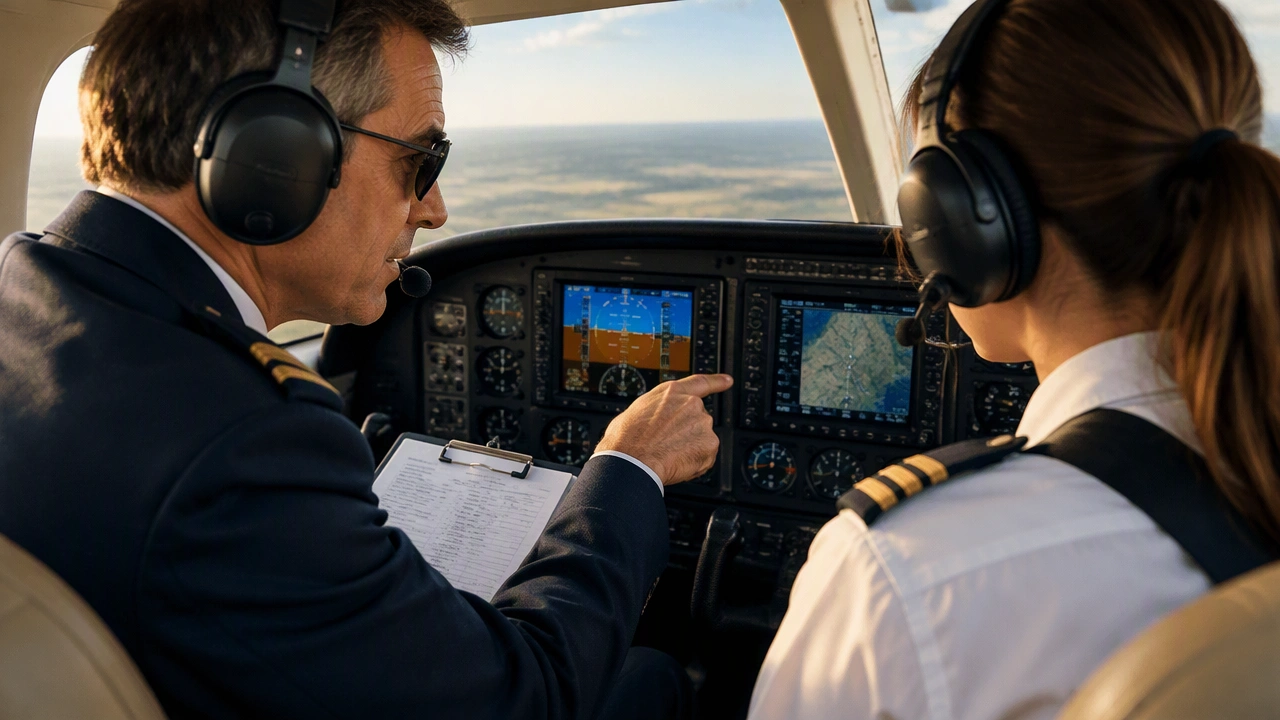
What Examiners Look for During a Checkride
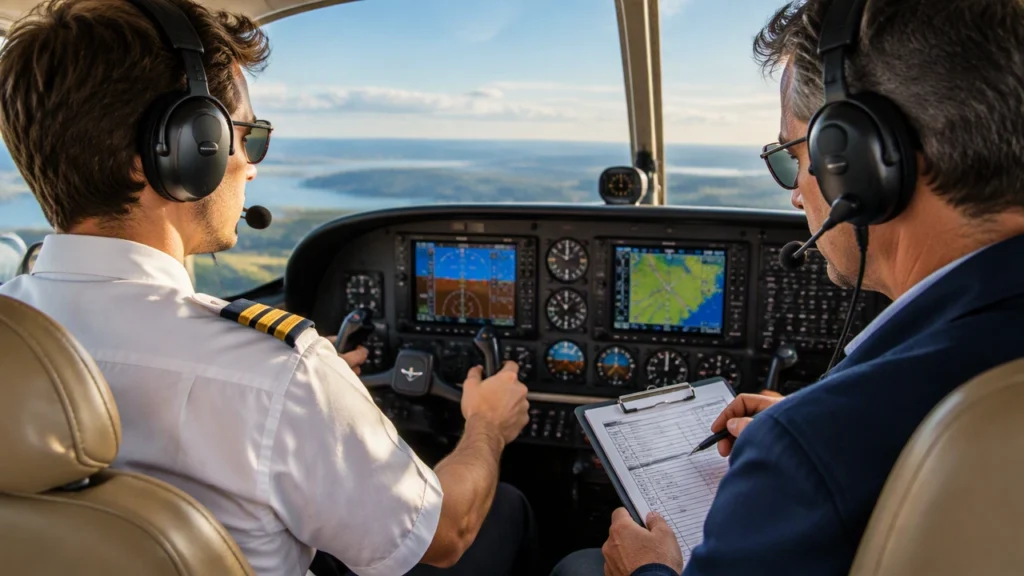
A checkride is the final practical test in a pilot training course, but it is not designed as a trap. The examiner is evaluating whether you can operate an aircraft safely and independently, with sound judgment as well as stick-and-rudder skill. Understanding what to expect during a pilot checkride practical test can reduce anxiety and help you prepare with purpose.
The standard used throughout pilot training is consistency. You do not need to fly a perfect profile, but you do need to demonstrate that your decisions, procedures, and control inputs are stable, deliberate, and within acceptable limits.
How the practical test is structured
Most initial certificate checkrides begin with an oral evaluation and continue with a flight. The exact sequence varies by examiner and certificate level, but the underlying process is similar. The examiner reviews your required documents, discusses the aircraft and planned flight, and then asks questions that connect regulations, aerodynamics, weather, systems, performance, and decision-making.
The oral portion is not a memory quiz. Examiners are looking for usable knowledge. When you answer a question, be ready to explain the reasoning behind the answer and apply it to a realistic scenario. A response such as “I would check the weather, review the limitations, and decline the flight if the conditions exceed my personal minimums” is stronger than reciting a rule without context.
After the oral evaluation, you will conduct a flight that normally includes normal and emergency procedures, navigation, radio work, and required maneuvers. The examiner will brief expectations before each segment and may ask you to explain your plan before you begin.
What the examiner is evaluating during the oral
The oral evaluation tests whether you understand the material well enough to make safe decisions without an instructor present. Common areas include:
- Airworthiness: reviewing the aircraft documents, required inspections, maintenance status, and equipment limitations.
- Weather: interpreting reports and forecasts, identifying hazards, and deciding whether a flight is appropriate.
- Performance: calculating takeoff and landing distances, density altitude effects, weight and balance, and cruise expectations.
- Regulations: understanding airspace, operating rules, required equipment, and pilot privileges.
- Systems: explaining how the aircraft works and recognizing abnormal indications.
- Aeronautical decision-making: weighing risks, setting personal minimums, and choosing alternatives when conditions change.
Examiners pay close attention to how you handle uncertainty. If you do not know an answer, say what you would do to verify it. Showing a reliable method for finding the correct information is often more valuable than guessing.
Flight skills and airmanship
During the flight, the examiner evaluates whether your control of the aircraft is smooth, accurate, and consistent with the standards for the certificate. The specific maneuvers depend on the certificate and aircraft, but common areas include takeoffs and landings, climbs and descents, turns, slow flight, stalls, navigation, and emergency procedures.
Maneuvering is only one part of the evaluation. Examiners also watch how you manage the whole flight:
- Preparation: completing checklists, briefing the flight, and configuring the aircraft correctly.
- Situational awareness: maintaining awareness of position, traffic, terrain, weather, and aircraft state.
- Communication: making clear radio calls and responding appropriately to air traffic control.
- Energy management: controlling speed, altitude, and configuration throughout the approach and landing.
- Error recovery: noticing deviations early and correcting them without overcontrolling.
Examiners are not impressed by aggressive corrections. They want to see recognition, diagnosis, and a measured response. A stabilized approach with a stable descent rate and consistent airspeed usually communicates more competence than a dramatic last-second correction.
Judgment matters as much as precision
One of the most important parts of the checkride is aeronautical decision-making. The examiner may present a changing weather picture, an equipment concern, a passenger request, or a maintenance issue. The goal is to see whether you can recognize risk before it becomes an emergency.
Strong candidates explain their decision process in a calm, organized way. They identify the hazard, consider the consequences, evaluate available options, and choose the course of action that protects the flight. Personal minimums, risk-assessment tools, and conservative go/no-go decisions are signs of maturity, not hesitation.
It is also acceptable to ask for clarification or to pause briefly before answering. The examiner is evaluating judgment, not how quickly you can produce a response. Careful thinking is a positive signal.
Common reasons checkrides are disapproved
Most unsuccessful practical tests are caused by preventable issues rather than unusual events. Typical examples include inadequate preparation, missed checklist items, poor planning, failure to meet maneuver standards, or an unsafe decision during the flight. Incomplete documentation or an aircraft that is not properly equipped for the test can also stop the evaluation before it begins.
A disapproval does not mean you are incapable of flying. It identifies an area that needs more training and practice. Review the examiner’s feedback, work with your instructor on the specific deficiencies, and schedule the additional training before retaking the test.
How to prepare with confidence
Use the same standards you expect on the checkride during everyday training. Fly the aircraft precisely, complete checklists consistently, brief every maneuver, and explain your decisions out loud. Practice with more than one instructor when possible, because different perspectives expose habits that may otherwise go unnoticed.
Prepare your documents early, confirm the aircraft’s inspection status, and review the practical test standards for your certificate. On the day of the test, arrive rested, allow extra time for weather and logistics, and treat the examiner as a professional evaluator rather than an opponent.
The best way to approach a checkride is to view it as a demonstration of normal, safe flying. When your preparation is thorough and your decisions are deliberate, the practical test becomes a straightforward expression of the skills you have already been using throughout your training.